Lehi
When to Call Roofing Contractors in Lehi
Know the warning signs, seasonal timing, and how to choose the right roofer when your Lehi home needs attention.
March 23, 2026·5 min read
Read 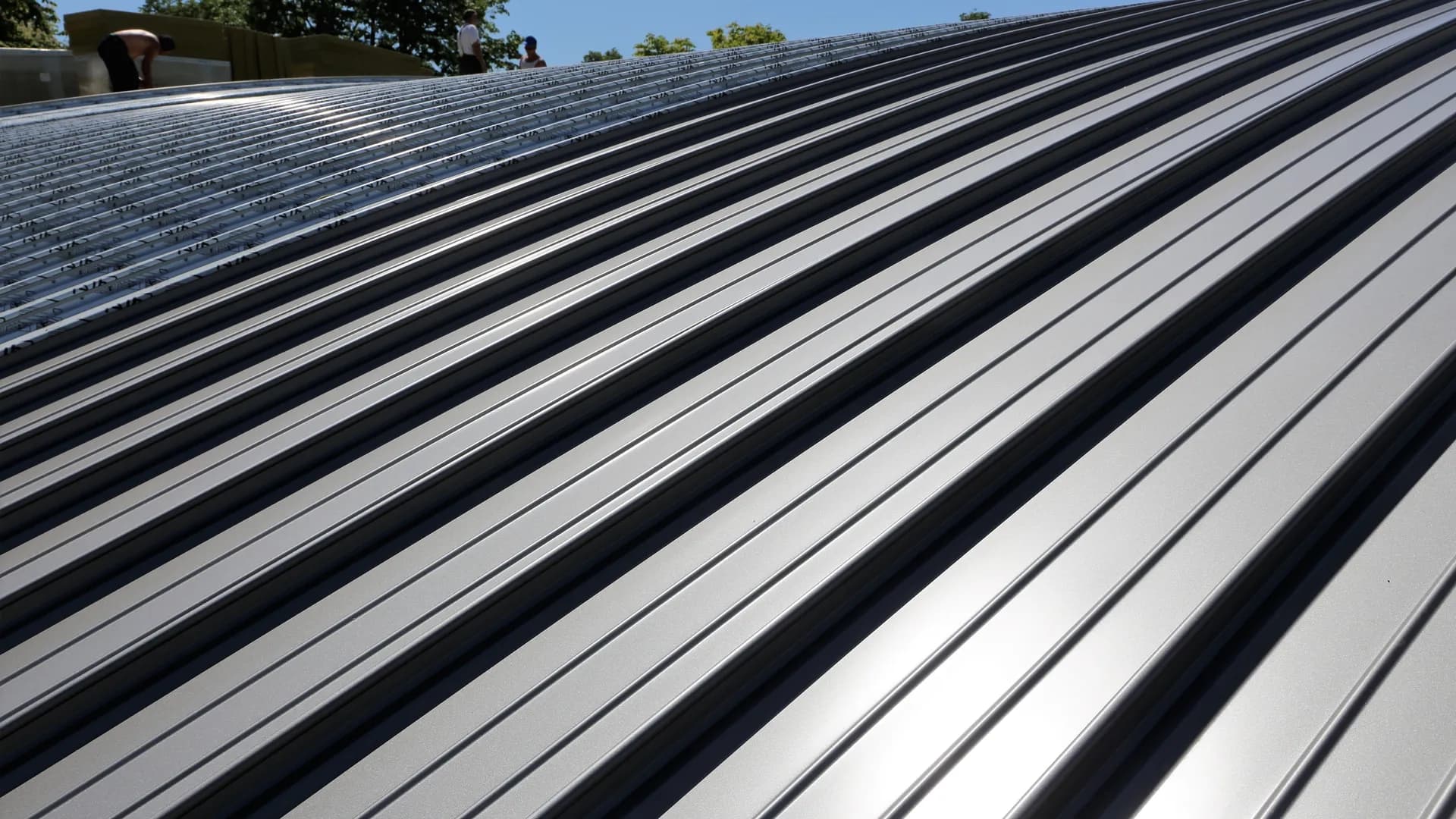
Roofing Guide
Choosing between metal and asphalt shingle roofing is one of the biggest decisions Utah homeowners face when it's time for a replacement. Both materials perform well — and both have real trade-offs. Utah's climate throws a lot at a roof: heavy late-season snow, intense summer UV, occasional hailstorms, and freeze-thaw cycles that repeat every winter. Understanding how each material responds to those conditions helps you make a confident, informed choice for your home.
Utah Valley sits at roughly 4,500 feet of elevation. That means more UV radiation than coastal climates, colder winters with significant snow accumulation, and summer hail that can roll through without much warning. Any roofing material you choose needs to handle all three — not just one.
Snow load is a critical factor. The Wasatch Front sees storm totals that can stress a roof structure over a long winter. Metal roofing sheds snow efficiently due to its low-friction surface — snow tends to slide off before it builds to dangerous weight. Asphalt shingles, by contrast, hold snow longer. That isn't automatically a problem (most well-designed roofs handle the load), but if you have a low-pitch roof or a design prone to ice dam formation, metal's shedding behavior offers a real practical advantage.
Both materials can perform well in Utah — the right choice depends on your roof pitch, neighborhood, budget, and how long you plan to stay in the home.
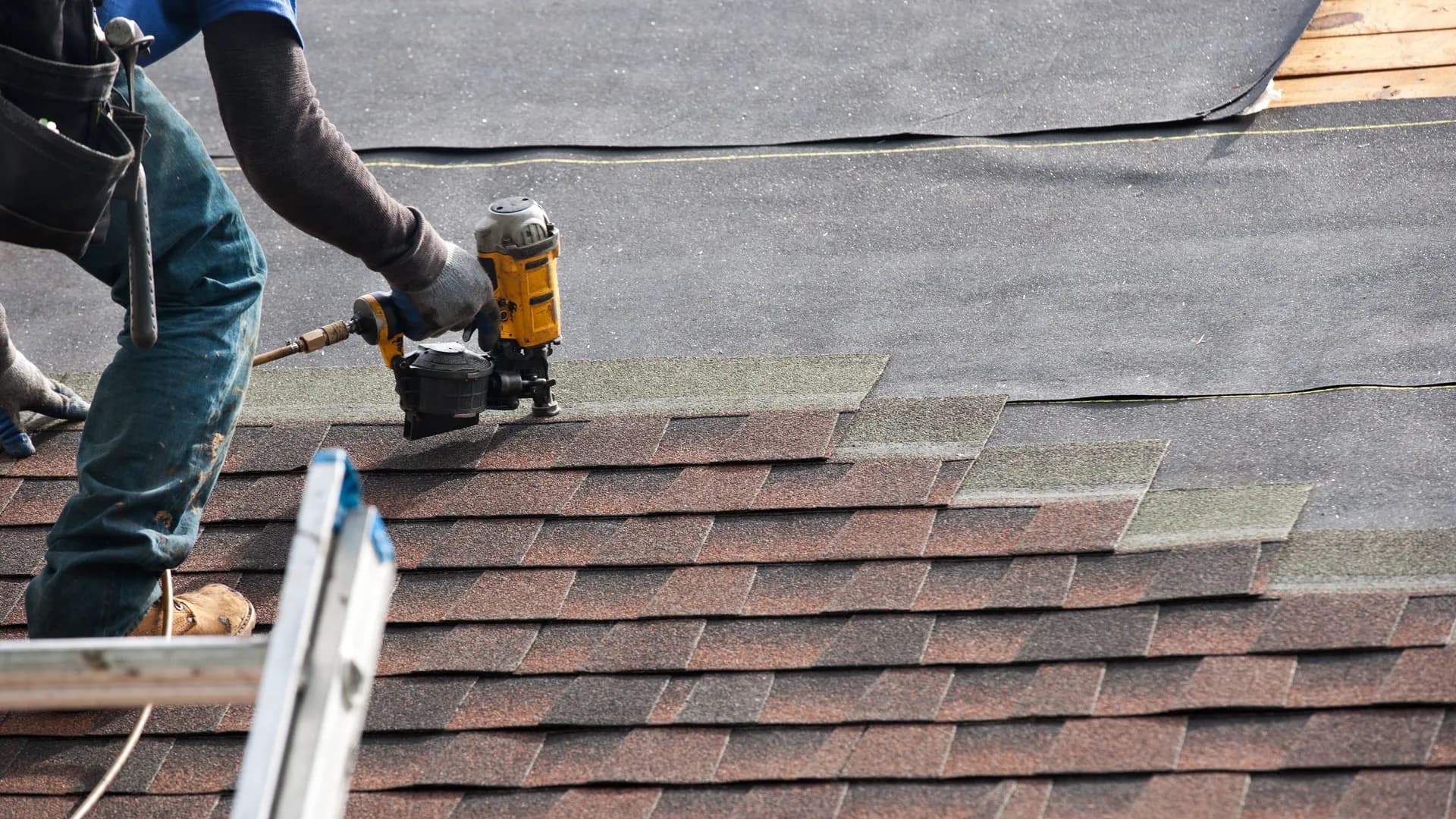
Metal roofing is known for longevity. A properly installed metal roof — whether standing seam or exposed-fastener — is commonly expected to last significantly longer than asphalt shingles under normal conditions. Asphalt shingles typically carry manufacturer warranties in the 25–30-year range for architectural (dimensional) products, though actual performance depends heavily on installation quality, ventilation, and exposure.
In Utah's UV-intense environment, shingle granule loss is an honest concern over time. UV degradation accelerates on south- and west-facing slopes that absorb direct afternoon sun. Metal roofing is largely unaffected by UV in the same way — the surface doesn't granulate. If you're planning to stay in the home for many decades, the lifespan difference between the two materials becomes more financially meaningful.
That said, if you're planning to sell within 10–15 years, a quality shingle roof installed today will still have meaningful life remaining — and the upfront cost savings may matter more than the theoretical long-term advantage of metal.
Hail is a real concern across Utah Valley. Both metal and shingle products come in varying impact-resistance ratings, so this isn't a simple 'metal wins' situation. Impact-rated architectural shingles (typically rated Class 3 or Class 4) are specifically engineered to resist hail denting and cracking, and many Utah homeowners have successfully used them in hail-prone areas for years.
Thinner metal panels — especially exposed-fastener steel profiles — can show cosmetic denting from large hail, even if the roof continues to function. Thicker steel or aluminum panels and standing seam profiles tend to be more resistant. If hail resilience is your top priority, confirm the specific impact rating of the product you're considering, regardless of whether it's metal or shingle.
One practical note: some insurance carriers offer premium discounts for Class 4 impact-rated roofing products. Ask your insurer whether that applies to your policy — it can meaningfully offset the cost of a premium material choice.
Cost is often the deciding factor, and it's important to be straightforward about it. These are rough ranges — they vary significantly by roof size, pitch, removal complexity, and product choice, and they are not quotes.
Asphalt architectural shingles generally represent a lower upfront investment per square foot than metal. Metal roofing — particularly standing seam — carries a higher upfront cost but, when spread across its longer expected lifespan, may represent a comparable or lower cost per year of service.
If budget is the primary constraint and you need a quality roof now, shingles are a proven, cost-effective choice. If you have a longer horizon and want to reduce the likelihood of a second replacement in your lifetime, metal deserves a serious look. The right answer genuinely depends on your financial situation and how long you'll own the home.
You can get a personalized estimate at our instant roof estimate page, or request a full roof report if you're not sure what your roof currently needs.
The noise question comes up often with metal roofing, and it's worth addressing honestly. Exposed-fastener metal panels installed directly over open framing can be noticeably louder during rain and hail than a shingle roof with solid decking and underlayment. However, most modern residential metal roofing installations include solid sheathing, quality underlayment, and sometimes additional insulation — which substantially reduces sound transmission.
A properly installed metal roof over a house with attic space and insulation is generally not dramatically louder inside than a shingle roof. If noise is a concern, ask your contractor specifically about the underlayment system and decking being used — that's where the difference is made.
Metal roofing has become more mainstream in residential markets over the past decade, and many buyers view it positively — particularly standing seam profiles that signal quality and longevity. In practice, resale value depends heavily on the neighborhood and buyer pool. In established Utah County neighborhoods where asphalt shingles are the norm, metal can be a differentiator, though some buyers may not place additional premium value on it.
HOA rules matter here. Some Utah County HOAs have specific requirements about roofing materials, colors, or profiles. Before committing to metal roofing, confirm with your HOA that the specific product and color you're considering is approved. This is especially important for standing seam profiles, which have a distinct visual character compared to traditional dimensional shingles.
Asphalt shingles are almost universally HOA-compliant across Utah Valley, which simplifies the approval process considerably.
There's no single right answer, but there are patterns that make the decision clearer. Metal roofing tends to be the stronger fit if you have a steep-pitch or complex roof where snow shedding matters, plan to stay in the home long-term, want to minimize future maintenance cycles, and your HOA permits it. Shingle roofing tends to make more sense if upfront cost is a primary concern, you're in a neighborhood where shingles are standard, you may sell within the next 15 years, or you want a broad range of color and style options without HOA complications.
Our team works with both materials regularly across Utah County and Utah Valley. We're happy to walk through the trade-offs specific to your home — roof pitch, exposure, your plans for the property — and give you an honest recommendation rather than a sales pitch.
Learn more about our metal roofing services or explore asphalt shingle options to see what each looks like in practice. When you're ready to compare numbers, our instant estimate tool is the fastest way to get a ballpark figure for your home.
Lehi
Know the warning signs, seasonal timing, and how to choose the right roofer when your Lehi home needs attention.
Sandy
A homeowner's guide to the roofing process in Sandy, UT — from inspection through final walkthrough.
Orem
Find reliable roofing contractors in Orem. Local insights and tips to help Orem homeowners make informed decisions.
No pressure, just honest advice. Call (801) 529-2054 or get a free estimate online.